
Collaborative science to address the region's challenges.
PILAR promotes network-based research and development projects, strengthening scientific cooperation and social impact in Latin America and the Caribbean.
It stems from an initiative launched by Canada’s International Development Research Center (IDRC), led by ANII (Uruguay) together with CONICET (Argentina) and FAPESP (São Paulo, Brazil) as founding partners, with the goal of strengthening cooperation.

What is it, and how does it work?
A regional platform for scientific cooperation.
It is a regional platform for scientific cooperation—a standardized mechanism designed to enable any agency in Latin America and the Caribbean to implement joint calls for multilateral funding in strategic areas, thereby streamlining processes, connecting scientific capabilities, and promoting social impact.

Guiding principles for PILAR calls
Strategic thematic focus
Focused on priority themes for regional development, defined by consensus among participating agencies based on their public policies.
Diversity and inclusion
Broad participation by countries is promoted, with a special emphasis on reducing development gaps in the region.
Equitable participation
Encourages the inclusion of early-career researchers and gender balance within research teams.
Social impact
Prioritization of projects with actual impact on the productive sector, public policy, and citizens.

Join PILAR
PILAR expands with new partners in Latin America and the Caribbean.
We invite funding agencies to learn about how the instrument works and its future prospects, and to explore joining this network through upcoming calls. It is designed to facilitate the integration of new institutions and strengthen more equitable and sustainable regional scientific cooperation.
Benefits
Explore some of our funded projects addressing the region's challenges.
-
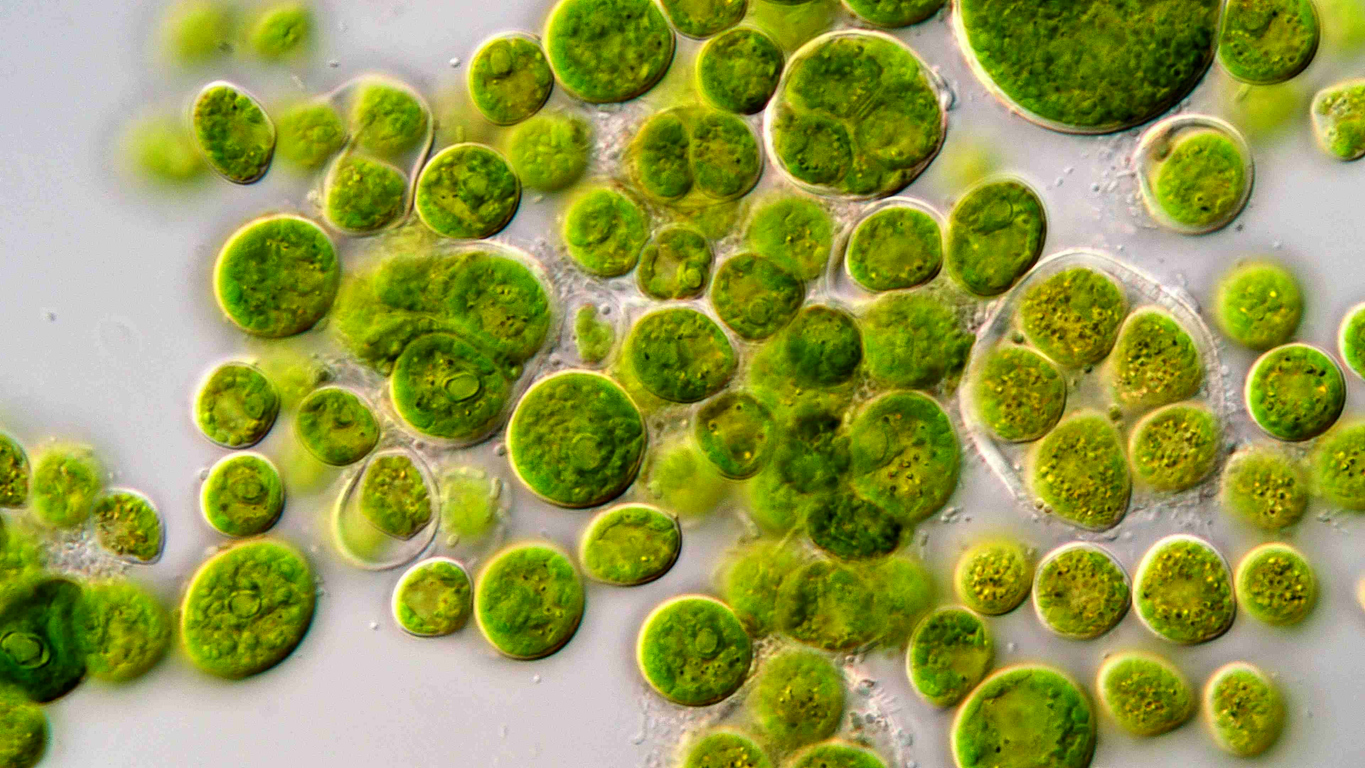
Building climate change resilience in Latin America's water resources: predicting harmful cyanobacterial blooms using AI algorithms
-

Automated algorithms for spatiotemporal prediction of water quality affected by toxic algal blooms in systems relevant to drinking water and recreation
-

Intelligent management of natural resources (MIReN): Inductive development system for best practices (SDIBP) in extensive livestock systems in Mercosur.
-

Integration of genomic and environmental data using deep learning for genomic selection
-

Incorporation of artificial intelligence and computer vision tools for yield prediction in Vitis vinifera cv Tannat
-

AI for the processing of documentary archives and its application to archives of the recent past
-

Verification of Intelligent Systems with Learning-Capable Components
-
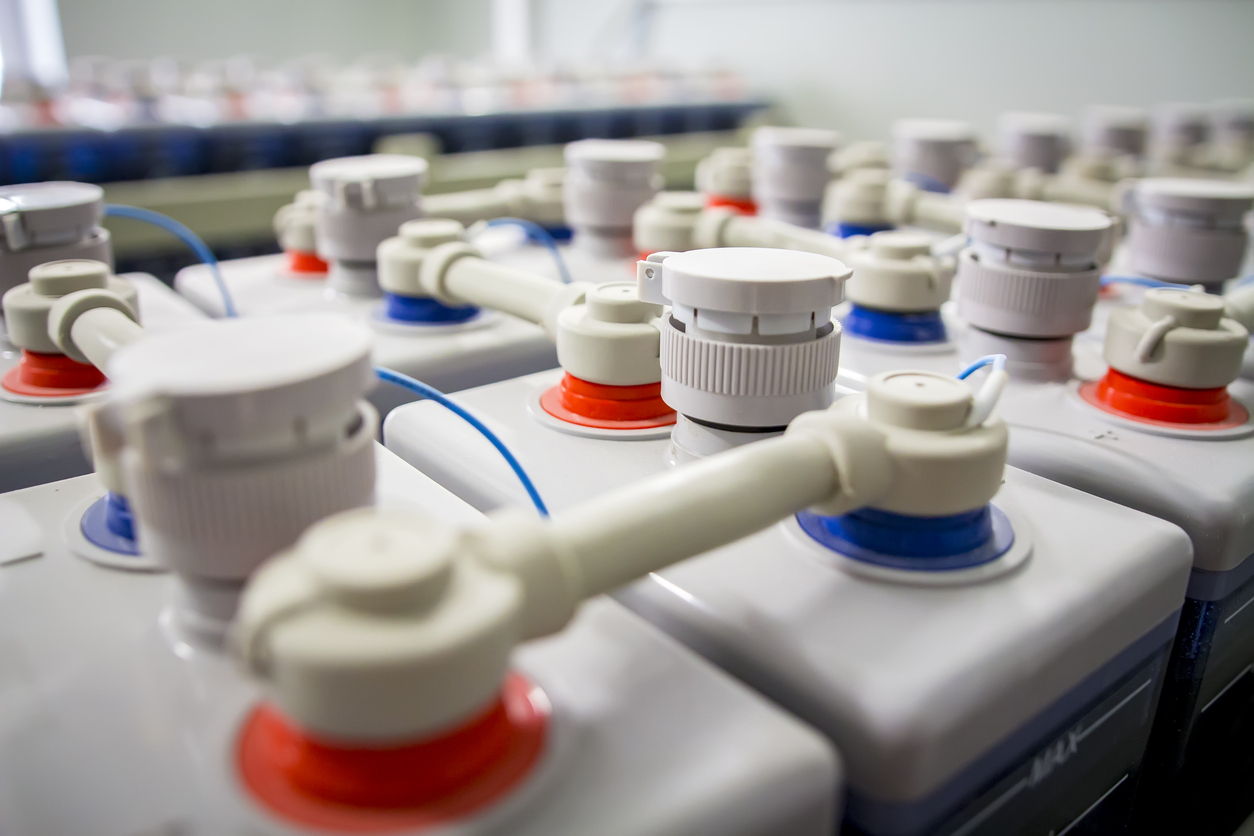
Design and development of polymer redox flow batteries and airflow-type batteries for low-power applications
-

Emerging technologies for the second energy transition: Solid-oxide fuel cells for a sustainable future
-

Promoting the energy and environmental resilience of cities through the development of cool roofs for urban cooling, CO2 capture, and H2 production
-
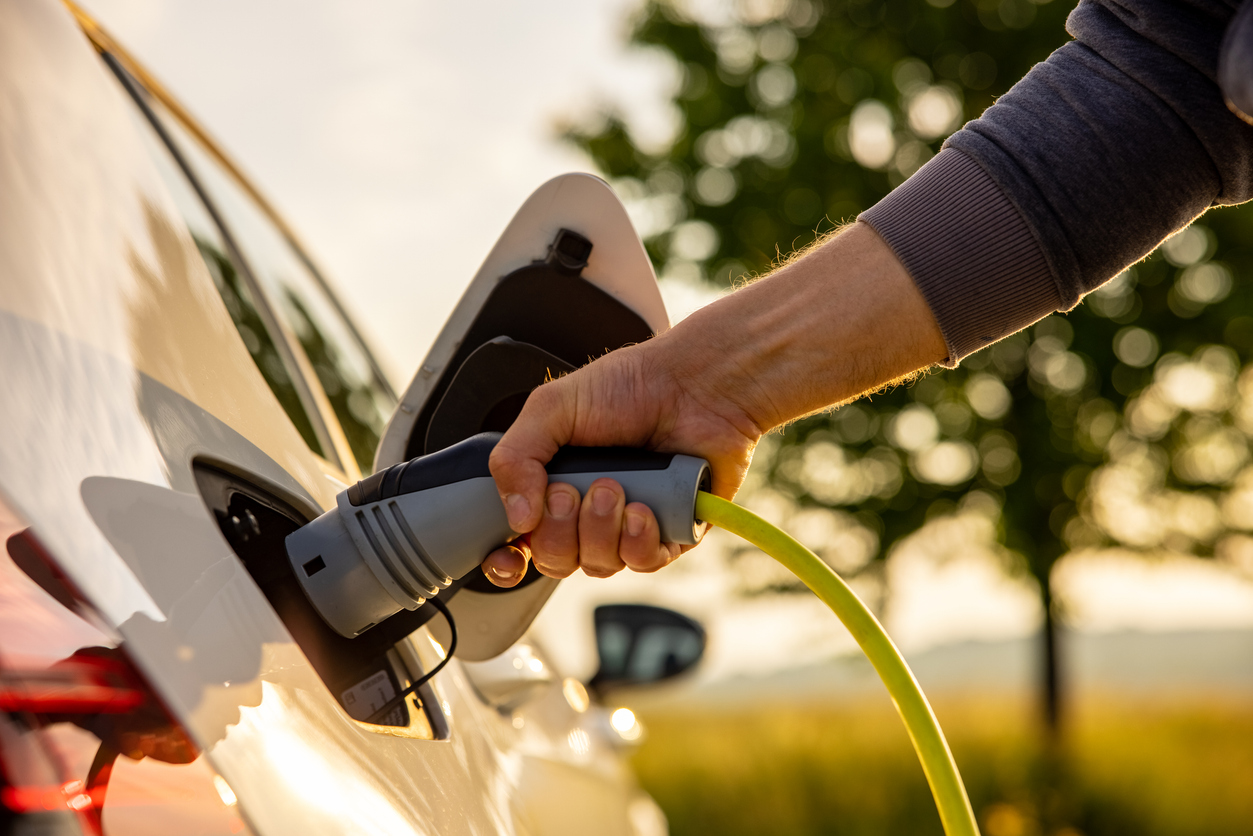
An interdisciplinary theoretical-experimental approach to the energy transition in countries in the region through the integration of eco-friendly fuels and electric mobility
-

Green hydrogen and the energy transition. Regulatory, technological, production, and decarbonization challenges for Mercosur


Agencies that collaborate, teams that conduct research, solutions that transform. Join us
If you are part of a funding agency, learn more about PILAR, its calls for proposals, and scientific cooperation opportunities in Latin America and the Caribbean.